



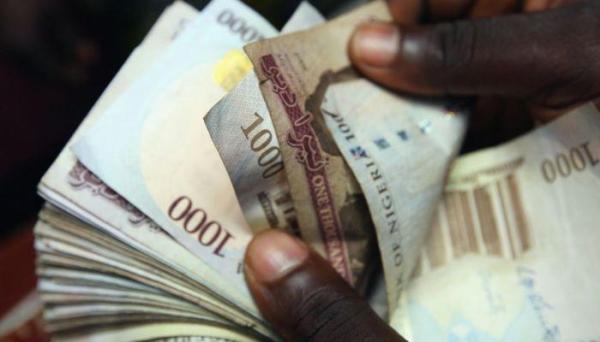
The Federal Government, FG, is set to implement full cashless policy in the collection of its revenues, banning cash payments, with effect from January 1, 2026.
Under the arrangement there will be a new mandatory e-receipt system (FTeR) and full-scale rollout of the Revenue Optimisation (RevOp) Platform.
A document released by the Federal Ministry of Finance in Abuja yesterday, showed that the RevOp, a unified digital ecosystem for monitoring, reconciling, and optimising government revenues, would apply to all FG agencies.
According to the document, “As from January 1, 2026, the Federal Treasury eReceipt (FTeR) will become the only valid and legally recognised receipt for all federal government transactions.
“This is a major shift in how Nigerians pay for government services and how such payments are verified.
“It directly affects citizens, businesses, MDAs, financial institutions, and digital service providers.”
The ministry said it expects the new policy to assist the government in making huge savings and recover even revenue earlier considered lost.
It stated further: “By outlawing unauthorised deductions, commissions, or charges taken before remittance to the TSA, the government expects to eliminate substantial leakages that currently occur within MDAs using unapproved PSSP platforms.”
The ministry also described the development as, “A critical milestone in Nigeria’s anti-corruption and fiscal transparency agenda.”
RevOp will, “operationalise the Minister’s broader economic strategy: reducing human discretion, eliminating cash handling, enforcing full audit trails, and using real-time digital insights to strengthen accountability.
“It marks the biggest consolidation of Nigeria’s digital public finance infrastructure in a decade.
“TSA, GIFMIS, CBN, NIBSS, FIRS, and MDAs will now speak to each other in a unified digital environment through RevOp,” the ministry said.