



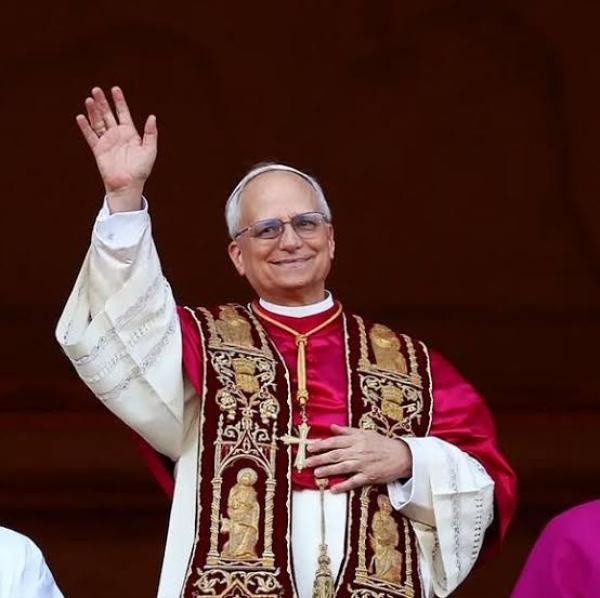
Pope Leo XIV is set to begin an 11-day tour of Africa on Monday, April 13, marking his first major international journey since assuming leadership of the Catholic Church last year. The visit will take him to Algeria, Cameroon, Angola, and Equatorial Guinea, covering more than 18,000 kilometres before concluding on April 23.
The tour comes amid a period of global uncertainty and is expected to focus on key issues including interfaith dialogue, peacebuilding, inequality, and human rights. Over the course of the trip, the 70-year-old pontiff is scheduled to deliver 11 speeches, celebrate seven masses, and participate in a series of official and pastoral engagements.
In Algeria, where Islam is the state religion, the pope will become the first pontiff to visit the country. His itinerary includes a tour of the Great Mosque of Algiers, a meeting with President Abdelmadjid Tebboune, and a visit to Annaba, a city associated with the Augustinian order to which he belongs. Church leaders have described the visit as a gesture of fraternity, while human rights groups have called on the pope to address concerns surrounding religious freedom.
The focus will shift to peace and reconciliation during his visit to Cameroon, particularly in the conflict-affected English-speaking northwest region. The pope is expected to travel to Bamenda, widely regarded as the epicentre of the crisis, and hold talks with President Paul Biya. He will also visit Catholic institutions, including hospitals and schools, highlighting the Church’s longstanding role in the country.
In Angola, attention will centre on economic justice and inequality. Despite the nation’s considerable oil and mineral wealth, poverty remains widespread. The pope is anticipated to emphasise the need for equitable resource distribution and stronger anti-corruption measures. While the visit has generated enthusiasm among many Catholics, some citizens have raised concerns about its financial cost, questioning the allocation of public funds.
The final leg of the tour will take place in Equatorial Guinea, where the pope will navigate a sensitive political environment under President Teodoro Obiang Nguema Mbasogo. With a significant Catholic population, expectations are high that he will address issues of human rights and social justice while maintaining diplomatic balance.
This journey will be Pope Leo XIV’s third international trip outside Italy, following earlier visits to Turkey, Lebanon, and Monaco. It is expected to carry considerable regional and global significance as the Vatican seeks to engage with pressing challenges across the African continent.