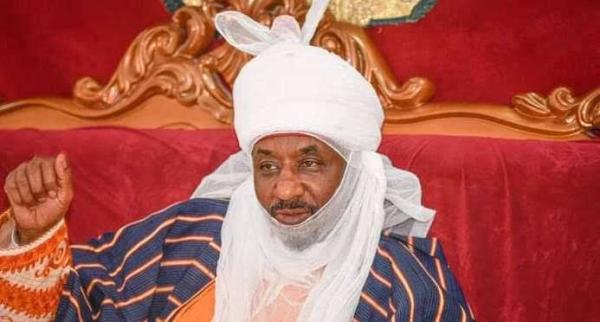




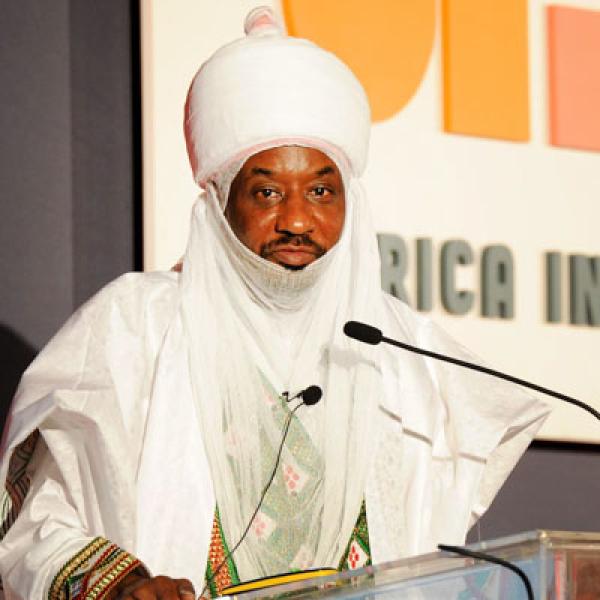
The Emir of Kano, Muhammadu Sanusi II, has alleged that political connections can enable people to evade accountability for wrongdoing in Nigeria.
Sanusi made the assertion in an interview with Channels Television in Lagos during the presentation of Unexplained Wealth: A Trilogy of Nigerian Financial Law, a three-volume book authored by anti-corruption lawyer, Dr Wahab Shittu (SAN).
The Emir said although reviewing existing laws was necessary to tackle unexplained wealth and strengthen the fight against corruption, proper enforcement of the laws and the effectiveness of relevant institutions were equally important.
He noted that Nigeria already had institutions and courts responsible for investigating and prosecuting corruption cases, but alleged that political considerations sometimes influenced the handling of such cases.
Sanusi claimed that some corruption cases had been discontinued because suspects enjoyed political backing or belonged to influential political circles.
“We have seen in this country people who are facing corruption charges who basically just get those charges dropped because they belong to the right political environment or have the right political support,” he said.
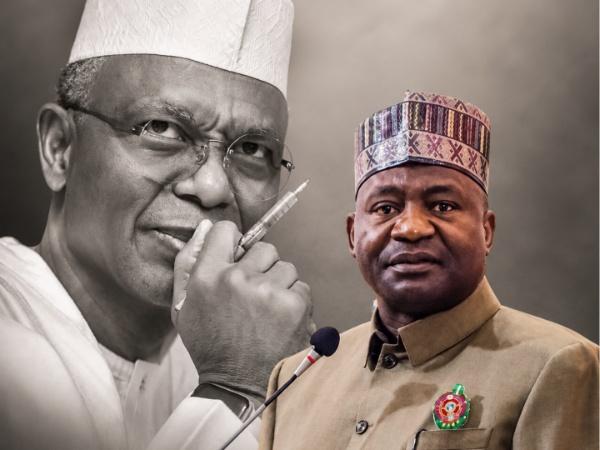
He referred to the case of former Kaduna State Governor, Nasir El-Rufai, as an example of concerns over the application of legal processes.
“An example is my brother Nasir El-Rufai who’s been denied bail. He’s been in detention for seven months, not having been convicted for anything using the courts,” Sanusi said.
The Emir said such situations could fuel doubts over whether corruption cases were being pursued solely to promote accountability or whether political considerations were also at play.
“So people begin to wonder, is this really a fight against corruption or is it a political battle?” he asked.
Sanusi urged political leaders, public officials and the judiciary to ensure that laws were applied in line with the objectives for which they were enacted.
He stressed that strengthening legislation alone would not be sufficient without improving the institutions responsible for enforcing the laws.
“The laws are one thing and I think it’s a good thing that we’re looking at the laws, but we also have to look at the institutions that are involved in the promotion of the law and that is how you make progress,” he said.
Sanusi concluded that weak enforcement could allow individuals with strong political connections to avoid accountability.
“Otherwise anyone knows that you can get away with anything if you have the right political connections.”