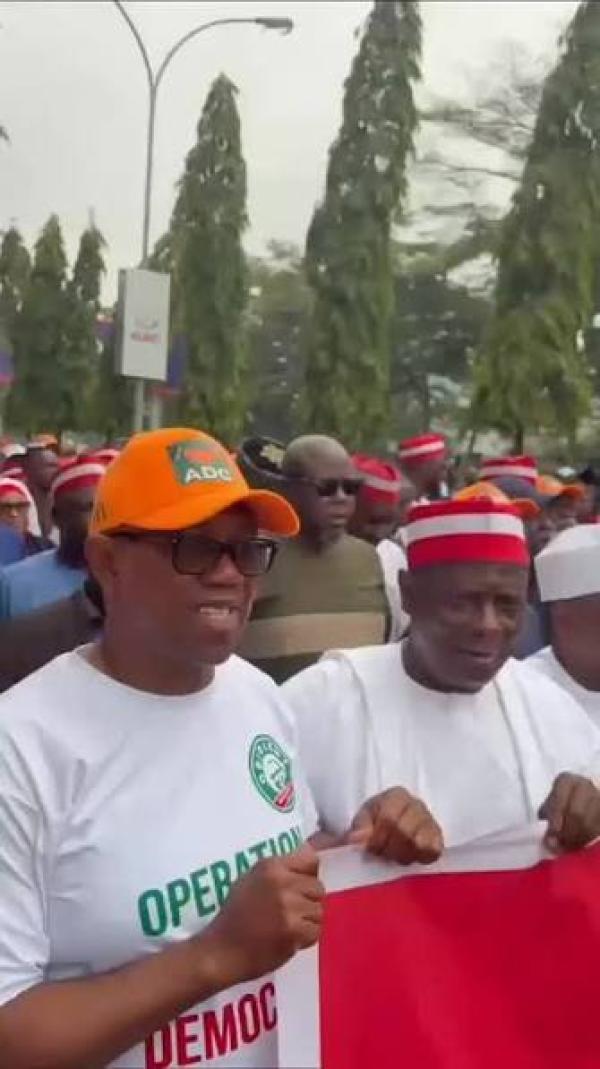



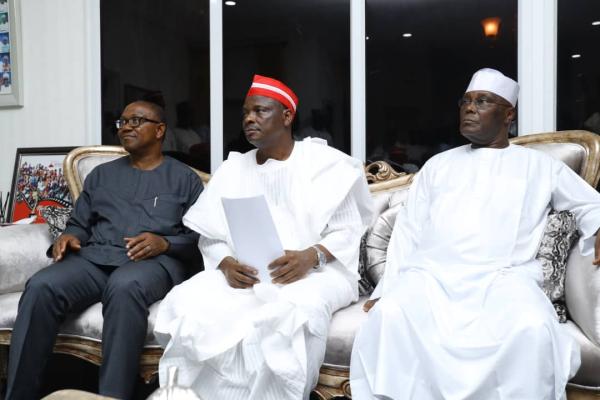
Ahead of the 2027 presidential and general elections, opposition parties have signaled a renewed determination to forge a united front against the ruling All Progressives Congress, as political realignments gather momentum across the country. Leaders and stakeholders of the Peoples Redemption Party and the African Democratic Congress recently met in Abuja, underscoring ongoing efforts to consolidate alliances ahead of the polls.
At the same time, the Social Democratic Party and the New Nigeria Peoples Party have expressed confidence in their ability to field formidable presidential candidates, despite grappling with internal crises and unresolved leadership disputes. These developments come amid broader uncertainty within some opposition parties, particularly the ADC and SDP, where tussles over the composition of their National Working Committees remain unsettled.
The situation has raised concerns about the preparedness of several parties—aside from the APC and the newly registered Nigerian Democratic Congress—to effectively participate in the 2027 elections. Nevertheless, opposition figures insist that strategic consultations and coalition-building efforts are underway to present credible alternatives and possibly mount a unified challenge against President Bola Tinubu and the ruling party.
The NNPP, despite the exit of its 2023 presidential candidate, Rabiu Musa Kwankwaso, maintains that it remains a viable political force. Its National Secretary, Dipo Olayoku, affirmed that the party would present a strong candidate in 2027, stressing that its growing prominence continues to attract credible aspirants while remaining anchored on a manifesto that promises renewed hope for Nigerians.
Similarly, the SDP says it is intensifying internal consultations and screening processes to produce a competitive presidential candidate. Its National Publicity Secretary, Araba Rufus Aiyenigba, described the party as an emerging national force with expanding influence across regions. He noted that the party has recently engaged key stakeholders, including Team New Nigeria, as part of efforts to strengthen its political base and broaden its appeal.
The SDP also pointed to increasing support from northern socio-cultural groups such as the Arewa Consultative Forum, Northern Elders Forum, and the Movement for Good Governance, arguing that growing dissatisfaction in parts of the North presents an opportunity to consolidate support. The party further suggested that prevailing challenges—including insecurity, poverty, and economic hardship—are likely to influence voter sentiment in 2027, warning that the APC risks electoral backlash over what it described as underwhelming performance.
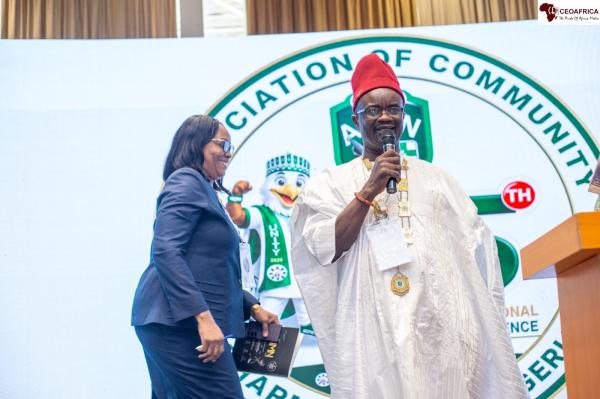
Meanwhile, the Abuja meeting between PRP and ADC leaders marked a significant step in ongoing political realignment efforts. Speaking at the meeting, PRP National Chairman, Hakeem Baba-Ahmed, expressed solidarity with the ADC over its ongoing dispute with the Independent National Electoral Commission and other government institutions, condemning what he described as anti-democratic actions capable of undermining national stability.
In response, ADC National Chairman, David Mark, commended the PRP for its support, noting that it stood out as the only party to publicly align with the ADC during the crisis. He expressed optimism that the relationship between both parties would continue to strengthen in pursuit of broader national interests.
Other notable figures at the meeting included Bolaji Abdullahi, Muhammed Ishaq, and Salihu Lukman, alongside other party officials, highlighting the growing coordination among opposition actors as the 2027 elections approach.