


The Ghanaian government has unveiled plans to crack down on television stations that broadcast Nigerian movies without obtaining the required licences, as part of efforts to tackle copyright infringement in the country's media industry.
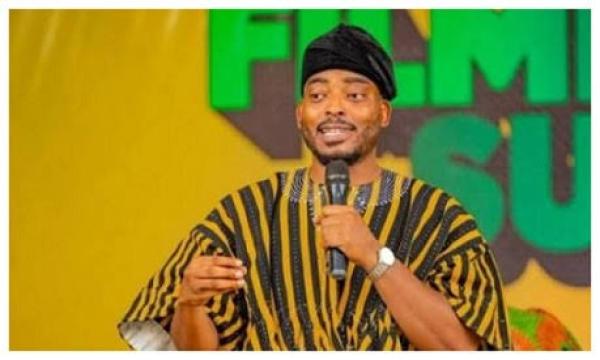
James Gardiner, Deputy Chief Executive Officer of the Ghana National Film Authority (NFA), disclosed the move during a conversation with Nigerian filmmaker Uchenna Mbunabo, assuring that the government is taking steps to end the illegal broadcast of Nollywood productions.
Mbunabo had accused some Ghanaian television stations of downloading Nigerian films from YouTube and airing them without the consent of the producers or copyright owners.
"I noticed that Ghanaian TV stations are stealing our films and showing them for free with impunity. Is it legalised in your country for TV stations to go on YouTube, download people's sweat and show it for free?" Mbunabo asked.
Responding, Gardiner said the practice was illegal.
"It is not legalised," he stated.
When asked what the Ghanaian government was doing to address the issue, Gardiner revealed that the National Film Authority had begun discussions with the country's key broadcast regulators.
"That's one of the big things we're trying to address. We've met with the Ministry of Communication, together with the National Media Commission (NMC) and the National Communications Authority (NCA), which regulate television stations in the country.
"We're working on a law to revoke the licences of all television stations, after which they will be required to apply afresh," he said.
Asked how soon the proposed reforms would be implemented, Gardiner expressed confidence that the process would be concluded by next year.
"By next year (2027), it should be done," he said.
The planned crackdown follows repeated complaints by Nigerian filmmakers over the alleged unauthorised broadcast of Nollywood movies on some Ghanaian television stations.
Several prominent Nollywood stars and producers, including Bimbo Ademoye, Omoni Oboli, Mercy Johnson and Ruth Kadiri, have previously accused Ghanaian broadcasters of pirating their films by airing them without securing the necessary rights or paying royalties.