



The United States has announced that it will discontinue routine visa processing at its embassy in Abuja and 24 other diplomatic missions across Africa from August 1, 2026, as part of a major overhaul of its overseas consular operations.
The US Department of State said the restructuring is designed to centralise routine visa services in regional processing hubs, a move aimed at strengthening national security, cutting government costs, and ensuring greater consistency in visa screening, vetting, and adjudication.
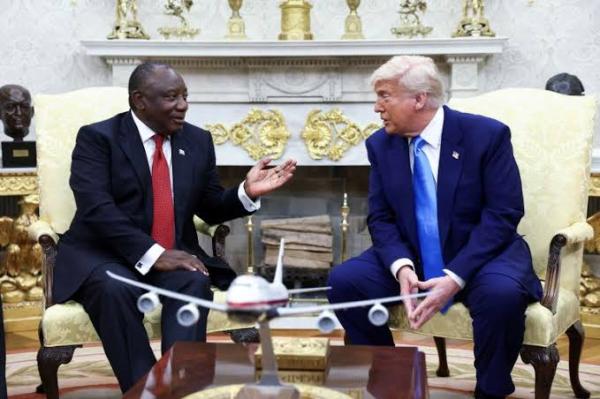
In a statement published on its website and sighted by *PUNCH Online* on Wednesday, the department said the reorganisation reflects the administration of President Donald Trump’s commitment to prioritising America's security and national interests.
“The Department of State is constantly evaluating its overseas operations in order to advance America’s priorities as efficiently and effectively as possible. This includes a visa process that maintains rigorous standards of security screening and vetting and aligns resources and operational capacity with America’s national interests.
“The Trump administration has no higher priority than the safety and security of Americans, and the State Department will continue to provide Americans with appropriate consular services and assistance at diplomatic posts around the world,” the statement said.
The affected diplomatic missions include the US Embassy in Abuja, as well as posts in Asmara, Bamako, Banjul, Brazzaville, Bujumbura, Conakry, Cotonou, Durban, Freetown, Gaborone, Harare, Juba, Libreville, Lilongwe, Lusaka, Maputo, Maseru, Mbabane, N'Djamena, Niamey, Nouakchott, Ouagadougou, and Windhoek.
Despite the changes, the State Department stressed that only routine visa processing will be affected. It noted that the embassies and consulates will remain fully operational and will continue to provide consular assistance, emergency services, and other diplomatic functions.
The department also assured travellers that visas already issued remain valid and will not be affected by the new policy.
According to the State Department, the United States periodically reviews its global diplomatic footprint to improve efficiency and better allocate resources.
Under the new arrangement, applicants seeking routine US visas in the affected countries will be directed to designated regional processing hubs, while local embassies and consulates continue to offer other diplomatic and consular services.