



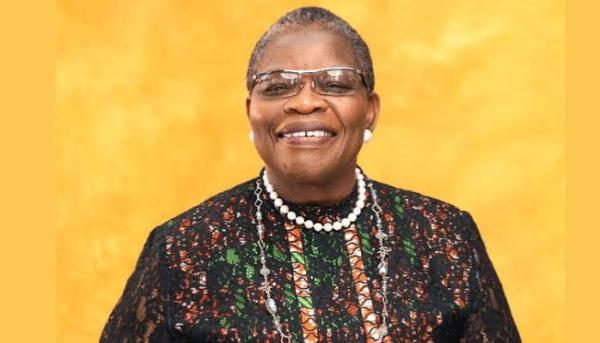
Former Minister of Education, Dr Oby Ezekwesili, has reaffirmed her support for Peter Obi ahead of the 2027 presidential election, while calling for a fundamental overhaul of Nigeria’s political system to restore human dignity and improve citizens’ quality of life.
Ezekwesili, a former World Bank Vice President for Africa, made her position known during a television programme on Monday, where she said the leadership criteria that informed her choice of candidate in the 2023 presidential election remained relevant.
According to her, Obi, who is now the presidential candidate of the Nigeria Democratic Congress for the 2027 election, would still emerge ahead of other contenders when assessed against the same leadership standards she applied previously.
She said Obi’s political candidacy had, rather than weakened, become stronger since she publicly endorsed him during the 2023 election.
Ezekwesili, however, cautioned against reducing the conversation about Nigeria’s future to the personality of any individual politician, stressing that her primary concern was the need to transform the country’s underlying political and governance structures.
She expressed concern over what she described as the declining value placed on human dignity in Nigeria, arguing that citizens must recognise and exercise their electoral power in their own interest rather than wait for political leaders to determine their future.
The former minister rejected the perception that Nigeria’s current condition was inevitable, describing the country’s trajectory as a product of choices and systems that could be redesigned.
She maintained that the existing political and governance structure had failed to deliver the level of development and quality of life Nigerians deserve, insisting that fundamental reforms were therefore necessary.
Ezekwesili also called on competent and patriotic Nigerians to actively participate in politics and seek elective positions at the local, state and federal levels.
She said the involvement of capable citizens in governance was essential to driving the structural transformation required to reposition the country and build a political system centred on accountability, competence and the welfare of citizens.