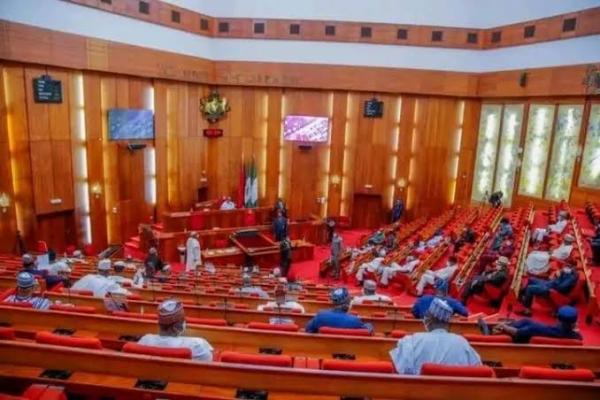





The National Economic Council (NEC) has approved a 90-day economic action plan aimed at reducing the cost of living, improving food affordability and strengthening the impact of President Bola Tinubu’s economic reforms.
The plan, proposed by the Federal Ministry of Finance, also seeks to attract investments, eliminate obstacles to economic activities and fast-track the completion of projects capable of improving the lives of Nigerians.
The decision followed a presentation by the Minister of Finance and Coordinating Minister of the Economy, Taiwo Oyedele, at the Council’s 161st meeting, held virtually on Thursday and presided over by Vice President Kashim Shettima.
According to a statement by Stanley Nkwocha, Senior Special Assistant to the President on Media and Communications in the Office of the Vice President, the Council outlined five priority areas for the implementation of the plan.
They include food affordability, tax harmonisation, completion of high-impact projects, removal of investment bottlenecks and regulated household support.
The Council also approved the establishment of a national dashboard to monitor ongoing projects across the country, with the aim of promoting transparency, accountability and accurate reporting on the utilisation of funds generated from the removal of fuel subsidies.
Presenting the country’s economic outlook, Oyedele expressed confidence in the progress of the Tinubu administration’s reform agenda and the prospects for further economic recovery.
He identified the reduction of headline inflation and interest rates to single digits by 2027 as key policy targets, emphasising the need for effective coordination between federal and state governments to achieve the objectives.
Oyedele further stressed that improvements in macroeconomic indicators must translate into tangible benefits for households and businesses through targeted interventions, better fiscal coordination and the removal of barriers to investment.
Speaking at the meeting, Shettima said the ultimate objective of the Federal Government’s economic reforms must be to improve the welfare and living conditions of Nigerians.
He urged state governors and relevant institutions to prioritise affordable transportation, accessible healthcare, job creation and improved financial security.
“The first dividend of prosperity should be the confidence to plan a life. Our task is to make such confidence less dependent on fortune,” the Vice President said.
Shettima noted that discussions on transportation, healthcare, police reform and livestock development were central to determining how Nigerians would experience the benefits of economic growth.
He called for stronger collaboration among the different tiers of government, stressing that their respective responsibilities should serve the collective interest of citizens.
“Our separate jurisdictions must serve a common public interest,” he said.
On the National Compressed Natural Gas (CNG) Bus Initiative, the Vice President called on state governments to support affordable public transportation systems to ease the financial pressure on commuters.
He maintained that the effectiveness of the initiative should be assessed by how affordable and accessible the service is to Nigerians, rather than the number of buses deployed.
“The cost of reaching a livelihood should never consume the livelihood itself. The passenger’s experience must guide our ambition, because the value of public transport resides in the journeys it makes possible. We should assess success through affordability and access, rather than fleet size alone,” he said.
The Vice President also urged governors to bring their understanding of local challenges into national policy discussions, noting that successful implementation depended on clear responsibilities and practical agreements between federal and state authorities.
“Our separate mandates must not become competing excuses. Each Governor carries knowledge that no federal document can supply,” he added.
He further emphasised that government policies should be evaluated by their ability to reduce uncertainty, create opportunities and restore public confidence in government institutions.
“Nigerians deserve institutions on which they can organise their lives. Providing that assurance is among the most consequential uses of public authority. That is the assurance we owe them,” Shettima said.
The 90-day economic action plan is expected to provide a framework for coordinated interventions aimed at making the benefits of ongoing reforms more visible to Nigerians, particularly in food prices, transportation, employment and household welfare.