




Paul Kagame of Rwanda is rounding up the most consequential presidency of the African Union since the formative years of the institution. The organization's Extraordinary Summit in November adopted most of his aspiring reform agenda, approving changes that will shape the AU's organizational structure, budget and relationship with member states for years to come.
The president launched these creativities as chairman of the AU Reform Team, beginning in 2016 and then skillfully lobbying his fellow heads of state for approval during his 2018 presidency. It is proof to his leadership and persuasion that he quickly garnered support for the reforms in an organization that has been cautious to embrace change.
This is only the latest example of his astute placement of Rwanda at the center of multilateral institutions. The approach has given Rwanda a prominent voice in shaping the continental agenda as well as a platform on which to advance its national interests.
Kagame's strategy has worked not only because he has aggressively pursued important multilateral posts, but also because he has named top-quality, hard-working candidates who have delivered significant results – just as he did during the past year at the AU.
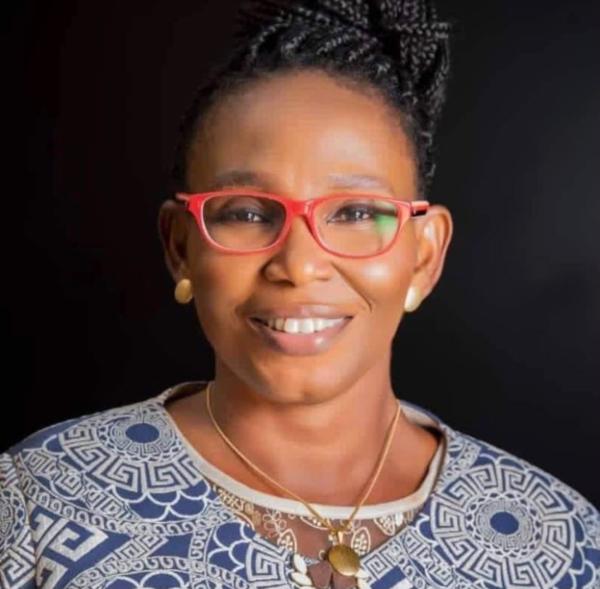
Just last month alone, Rwanda drew on solid support from French-speaking members of the African Union to orchestrate the election of foreign minister Louise Mushikiwabo as secretary general of the International Francophonie Organization (OIF).
For the next five years – or perhaps 10 if she is re-elected – she will head a worldwide network representing 54 member states, plus observers and associates, with a population of nearly 300 million. She exemplifies the Rwandan strategy, honed over the past 15 years, of using leadership in multilateral organizations to gain entrée to global decision-makers, promote Rwanda's national development agenda and disarm its foreign critics.
Kagame's pursuit of multilateral posts began in the early 2000s when Rwanda needed to refresh its brand. Its reputation had suffered from its brutal intervention in the DR Congo, just as Western guilt for inaction during the 1994 genocide began to fade.
Kagame secured election of his trusted advisor Patrick Mazimpaka as deputy chairperson of the newly created African Union. From this vantage point, Mazimpaka provided Kagame not only visibility on all AU diplomatic and security initiatives from 2003 to 2008, but also a means of deflecting any moves against Kigali.