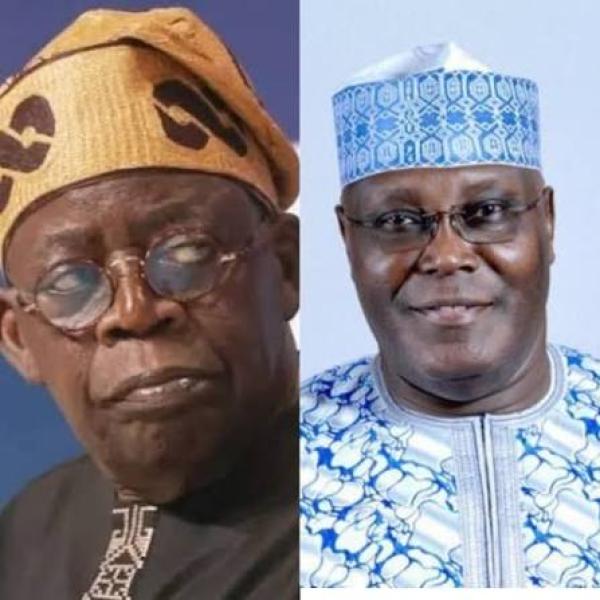





Nigeria former Vice President , Atiku Abubakar and the presidential candidate of Peoples Democratic Party (PDP) at the last general election on Saturday said that the recent United Nations Development Programme (UNDP) report published on July 11, 2019, which established that over 98 million Nigerians are living in multidimensional poverty, is a frightening corroboration that poverty has become the fastest growing venture in Nigeria over the last four years.
Atiku added that there was an urgent and compelling need for Nigerian institutions to understand that it was an appalling dereliction of duty to stand idly by and allow misery multiply in the populace.
The former Vice President, in a statement by Paul Ibe, his Media Adviser, said, “this is no longer a grassroots problem. The failure of our economy over the last four years affects everyone from top to bottom.
“Four years ago, Aliko Dangote, Nigeria’s richest man, was worth $25 billion. However, his net worth in 2019 is less than half that. He joins thousands of industrialists whose wealth and their ability to produce, has eroded in recent years, and continue to do so.
“With the National Bureau of Statistics (NBS) reporting a net job loss of over six million since 2015, we see that if industrialists have their wealth eroding, it affects their ability to create opportunities, which means that the trickle-down effect gradually dries.”
The PDP presidential candidate pointed out that the greatest security threat in the country was not Boko Haram, but the poverty being created.
According to him, “The greatest national security threat Nigeria faces in 2019 is not Boko Haram/ISWAP or bandits. It is that we have created the largest wave of poverty in human history. And the world is noticing, hence Foreign Direct Investment is shifting from Nigeria to Ghana, making Ghana the top recipient of FDI in West Africa in the last year.
“And in the wake of this report by the UNDP, we are greeted with nonchalance by those who led us into this crisis. It is as though they think that as long as they and their families are not amongst those 98 million extremely poor Nigerians, things can carry on as before.
“But, that cannot be allowed to be the case. Those who have the ability, including the Council of State, all former leaders, elder statesmen, and especially the other arms of government, must begin to collaborate for solutions, before the number increases from 98 million to all 198 million Nigerians.
“We must remember that we are stakeholders in the Nigerian project. Stakeholders who must speak up for those 98 million people who are losing their voices to poverty.”