



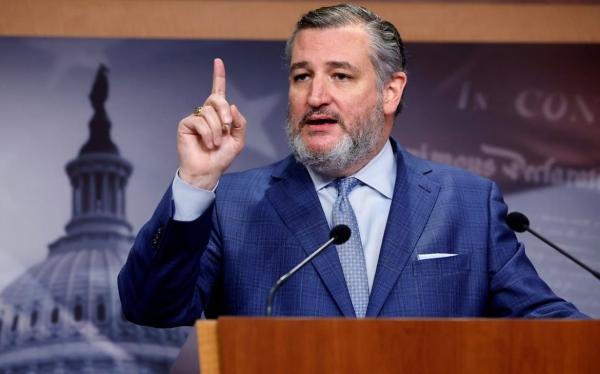
Ted Cruz has strongly condemned the recent Palm Sunday attack on the Anguwan Rukuba community in Plateau State, accusing the Nigerian government of creating conditions that allow terrorist activities to thrive.
In a post on X on Tuesday, Cruz described the incident—which reportedly claimed about 30 lives—as “another slaughter of Christians in Nigeria by jihadists.” He further alleged that Nigerian authorities have fostered an environment where religious violence persists unchecked.
According to him, “Nigerian government officials have created an environment in which Christians are routinely persecuted and slaughtered by imposing sharia law and looking the other way at violence.” He also asserted that the United States is aware of individuals responsible for terrorist activities in Nigeria and possesses the means to hold them accountable.
“Those officials should know that the U.S. knows who they are and has the tools to hold them accountable,” Cruz added.
Similarly, Riley Moore condemned the killings, describing the attack in Jos as “sickening and unacceptable.” He alleged that armed assailants opened fire on Christian worshippers before carrying out further हिंसा with machetes, and claimed the incident reflects a recurring pattern of attacks on Christians during religious observances.
Moore warned that failure by Nigerian authorities to strengthen security measures ahead of major Christian celebrations such as Easter could have implications for Nigeria’s diplomatic relations with the United States.
Meanwhile, Amnesty International has criticized the administration of Bola Ahmed Tinubu, accusing it of failing to take decisive action in response to the growing insecurity.
In a statement issued Tuesday, the organization said the government has continued to release what it described as “turgid” condemnations of violent attacks without implementing concrete measures to curb the activities of bandits and террорист groups. It stressed that statements of sympathy alone are insufficient to address the escalating violence and protect vulnerable communities.
The latest attack has once again drawn international attention to Nigeria’s security challenges, particularly in Plateau State, where recurring violence has raised concerns among both local and global observers.