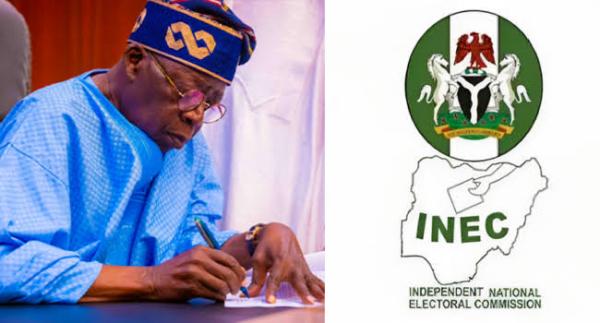




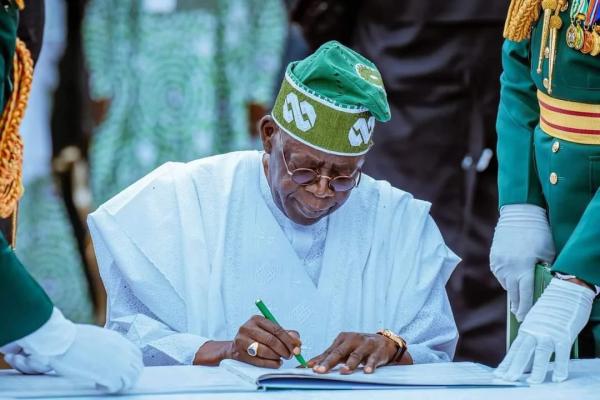
President Bola Ahmed Tinubu has approved a ₦3.3 trillion payment plan to settle long-standing debts in Nigeria’s power sector, in a bid to improve electricity supply and restore investor confidence.
The approval was disclosed in a statement issued by presidential spokesperson Bayo Onanuga, who said the decision followed a comprehensive review of legacy liabilities accumulated between February 2015 and March 2025 under the Presidential Power Sector Financial Reforms Programme. According to the statement, the ₦3.3 trillion represents a verified “full and final settlement,” aimed at ensuring a transparent and equitable resolution of outstanding obligations.
The government indicated that implementation of the plan is already underway. Fifteen power generation companies have signed settlement agreements valued at ₦2.3 trillion. Of the total amount, ₦501 billion has been raised so far, with ₦223 billion already disbursed.
Special Adviser to the President on Energy, Olu Arowolo-Verheijen, said the initiative is designed to stabilise the entire power value chain by addressing liquidity constraints that have hindered operations across the sector. She noted that beyond debt clearance, the programme seeks to rebuild confidence among stakeholders, ensure timely payments to gas suppliers, and support sustained electricity generation.
Arowolo-Verheijen added that the intervention forms part of a broader reform agenda, including improvements in metering infrastructure and the implementation of service-based tariffs that align electricity costs with the quality of supply.
The government also emphasised that priority will be given to businesses and industrial users, highlighting the importance of reliable electricity to economic growth and job creation.
Officials say clearing the debt backlog is expected to enhance liquidity within the sector, improve generation stability, and strengthen overall service delivery. The presidency further confirmed that the next phase of the initiative, known as Series II, is scheduled to commence within the current quarter.
Nigeria’s power sector continues to face structural challenges, including limited generation capacity, recurring grid failures, and widespread outages. A 2024 report by Standard Bank estimates that the country loses approximately $26 billion annually due to inadequate electricity supply, while businesses spend an additional $22 billion on alternative energy sources such as generators.