



The Federal Government has announced plans to publish a detailed account of how funds saved from the removal of the petrol subsidy have been utilised, amid growing public concern over the impact of the economic reforms.
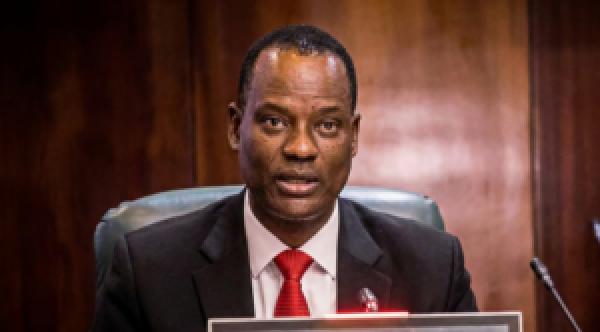
Speaking at the African Emerging Markets Forum in Abuja on Wednesday, the Minister of Finance and Coordinating Minister of the Economy, Taiwo Oyedele, said the savings generated from the removal of fuel subsidies and reforms in the foreign exchange market have largely been offset by increased debt-servicing obligations and higher government expenditure.
According to Oyedele, before the reforms, fuel subsidies and what he described as an implicit foreign exchange subsidy cost Nigeria about five per cent of its Gross Domestic Product (GDP).
He explained that a significant portion of the savings has gone into servicing public debt, noting that borrowing costs have surged from about eight per cent before the reforms to as high as 24 per cent.
The minister also said the government's wage bill has almost doubled following the approval of a new national minimum wage of ₦70,000, while additional spending has been committed to the student loan scheme, which now supports tuition and monthly stipends for more than 1.5 million students.
Addressing widespread questions about the impact of the subsidy removal, Oyedele acknowledged public concerns.
“I’ve heard this question so many times, and guess what? It’s a valid question,” he said, adding that the government would soon release a detailed breakdown of how the savings have been spent.
Oyedele also dismissed a recent assessment by the International Monetary Fund (IMF) that suggested millions of Nigerians remain in poverty despite the reforms. While acknowledging that the policy changes have temporarily reduced real incomes, he argued that such an outcome was unavoidable in the transition away from subsidies.
He stated that the government would measure the success of its reforms using indicators such as multidimensional poverty, growth in real per-capita income, and income inequality, rather than relying solely on headline GDP figures.
The planned publication of the subsidy savings is expected to provide greater transparency and respond to public demands for accountability over one of the government's most consequential economic reforms.