




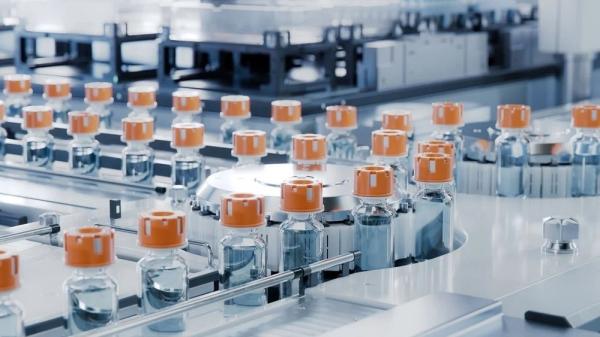
As the Federal Government intensifies efforts to establish domestic vaccine manufacturing, the real test will be whether Nigeria can build the infrastructure, technical expertise and industrial partnerships required to translate ambition into sustainable healthcare security.
Nigeria is taking renewed steps towards a future in which more of its essential healthcare products can be manufactured within its borders. From government-backed vaccine initiatives to investments in pharmaceutical and diagnostic manufacturing, the country’s healthcare industry is entering a critical phase in its drive to reduce dependence on imported medical products.
The latest developments in the Federal Government’s efforts to boost local vaccine production have brought this ambition back into focus. In October 2026, the Presidential Initiative for Unlocking the Healthcare Value Chain (PVAC) highlighted progress towards establishing an end-to-end vaccine manufacturing facility, while ongoing efforts to advance domestic vaccine production continue to draw attention to the infrastructure and partnerships needed to make the ambition a reality.
The question, however, extends beyond whether Nigeria can establish vaccine manufacturing facilities. It is whether the country can build a sustainable ecosystem capable of developing, producing, assuring the quality of and distributing essential health products at the scale required by its population and neighbouring countries.
From Import Dependence to Health Security
For decades, Nigeria’s reliance on imported vaccines has exposed the country to vulnerabilities associated with global supply chains. International emergencies, export restrictions, shipping disruptions and competing demand can affect the availability of essential medical products, particularly when several countries require the same supplies simultaneously.
Developing domestic manufacturing capacity offers an opportunity to reduce these vulnerabilities, strengthen preparedness for future health emergencies and improve Nigeria’s ability to respond to its public health priorities.
The Federal Government’s efforts include the development of Biovaccines Nigeria Limited, a joint venture between the government and May & Baker Nigeria Plc. In September 2026, the government transferred title documents for two properties in Lagos to the company, fulfilling its property contribution under the partnership. The development was intended to help unlock investment, international partnerships, technology transfer and infrastructure financing for local vaccine production.
The government has also advanced plans for an end-to-end vaccine manufacturing facility under the broader healthcare value-chain initiative.
These are important steps. However, physical infrastructure and policy commitments represent the beginning of the process, rather than its conclusion.
Vaccine manufacturing requires substantial investment in specialised facilities, research and development, skilled personnel, stringent quality-control systems and reliable infrastructure. Regulatory compliance, cold-chain logistics and predictable demand are equally important to ensuring that production can be maintained safely and economically over time.
A 2026 study published in Health Research Policy and Systems identified infrastructure gaps, limited technical capacity, inadequate financing and uncertain market mechanisms among the challenges confronting Nigeria’s vaccine manufacturing ambitions. These findings reinforce the need for a coordinated approach that connects government policy with industrial capability, scientific expertise and sustainable commercial demand.
The Manufacturing Ecosystem Must Come First
One of the most important considerations in Nigeria’s ambition to manufacture vaccines locally is the broader industrial ecosystem required to support production.
A manufacturing facility does not operate in isolation. It depends on reliable electricity, specialised equipment, quality-assurance systems, trained scientists and technicians, regulatory oversight, supply-chain partners and access to the materials required for production.
It also needs a market that can support continued investment. Manufacturers must have sufficient confidence in demand to justify the high costs associated with establishing and maintaining specialised production facilities.
This makes government procurement policy, financing mechanisms and long-term purchasing commitments important considerations. Where locally manufactured products meet applicable quality, safety and performance requirements, procurement systems can help create the predictable demand needed to sustain domestic production.
Equally important is the development of local expertise. Technology transfer should not be limited to providing equipment or introducing a manufacturing process. It should enable Nigerian organisations and professionals to build the technical knowledge, operational competence and quality-management capabilities required to improve and sustain production over time.
Nigeria’s ambitions must therefore be supported by a long-term industrial strategy that links investment, research institutions, manufacturers, regulators and healthcare purchasers.
What Nigeria Can Learn from Local Healthcare Manufacturing
While vaccine manufacturing has its own specialised scientific and regulatory requirements, progress in other areas of healthcare manufacturing offers useful lessons about building domestic industrial capacity.
An example is Codix Bio, a Nigerian in-vitro diagnostics manufacturer whose operations demonstrate how technology partnerships and local production can contribute to the development of the country’s healthcare manufacturing ecosystem.
Located in Ogun State, Codix Bio operates a facility dedicated to manufacturing rapid diagnostic test kits for diseases including HIV and malaria. Its development has involved technology transfer and a sublicensing partnership with SD Biosensor, facilitated through the World Health Organization and the Medicines Patent Pool.
In May 2025, the WHO announced that Codix Bio had been selected as the first sublicensee under an agreement designed to support the development and manufacture of rapid diagnostic tests using transferred technology.
The significance of this development extends beyond the production of diagnostic kits. It illustrates how international collaboration can help build manufacturing capability within Nigeria while creating opportunities for technical learning, local production and the development of supply capacity for African markets.
Codix Bio is not a vaccine manufacturer, and diagnostic test production is distinct from vaccine development and manufacturing. Nevertheless, its experience provides a relevant example of the wider capabilities Nigeria needs to cultivate: investment in specialised facilities, access to technology, skilled personnel, quality systems and partnerships that support the transfer of knowledge.
For a country seeking to expand local vaccine production, these are important components of a stronger healthcare industrial base.
Partnerships, Skills and Quality Will Determine Success
Nigeria cannot build a sustainable vaccine manufacturing industry through government intervention alone. Public investment can establish the foundation, but private-sector participation, international technical collaboration and research partnerships will be essential to developing the capacity required for long-term success.
Manufacturers need access to financing and appropriate incentives. Research institutions need opportunities to contribute to product development and scientific innovation. Regulatory agencies must have the resources and technical capabilities to assess products and manufacturing processes against the required standards.
The workforce also deserves particular attention. Vaccine manufacturing requires specialised expertise across biotechnology, microbiology, engineering, production, quality assurance and regulatory affairs. Developing these skills will require sustained investment in education, practical training and collaboration between industry and academic institutions.
Quality must remain central throughout this process. Local production should not be viewed as an objective that takes precedence over product safety, efficacy or reliability. Instead, the goal should be to establish Nigerian manufacturing capabilities that meet the applicable national and international requirements and can compete on quality as well as cost.
This is especially important if Nigeria intends to supply other African countries. Regional ambitions will depend on the ability of domestic manufacturers to demonstrate consistent quality, maintain reliable production and meet the regulatory requirements of the markets they serve.
Turning Policy into Lasting Impact
The Federal Government’s renewed push for local vaccine manufacturing presents Nigeria with an opportunity to strengthen its healthcare system while developing a more resilient industrial base.
Realising this opportunity will require continuity beyond policy announcements and facility development. It will depend on coordinated financing, technology transfer, infrastructure investment, workforce development, regulatory readiness and purchasing arrangements that encourage sustainable domestic production.
The experience of companies such as Codix Bio demonstrates that local healthcare manufacturing can be advanced through a combination of domestic industrial investment and international partnerships. Building on such experience, while recognising the distinct scientific demands of vaccine production, could help strengthen the wider ecosystem in which Nigeria’s vaccine ambitions must succeed.
Ultimately, the measure of progress will not simply be the number of facilities announced or established. It will be Nigeria’s ability to produce essential health products consistently, meet rigorous quality standards, respond to domestic needs and develop the capacity to serve regional markets.
If the country can connect policy ambition with the capabilities required for sustainable production, its drive towards local vaccine manufacturing could become an important step towards greater health security, industrial development and a more resilient African healthcare value chain.