




The newly installed President of Zimbabwe, Emmerson Mnangagwa, announced a three month ultimatum to citizens and corporations who have looted the country’s funds to return the money or face prosecution. The president said in a statement that his government would not fail to arrest and prosecute anyone who failed to comply with the ultimatum at its expiration.
The statement by President Mnangagwa indicated that the ultimatum would run from December 1, 2017 and terminate in February 2018.
At the end of the ultimatum, Zimbabwean government announced it had raked in amount in excess of $500 million, which it said was still a far cry from what was expected.
In clear terms, what this means is that within three months of the amnesty and ultimatum, Zimbabwe had recovered cash in excess of $500 million.
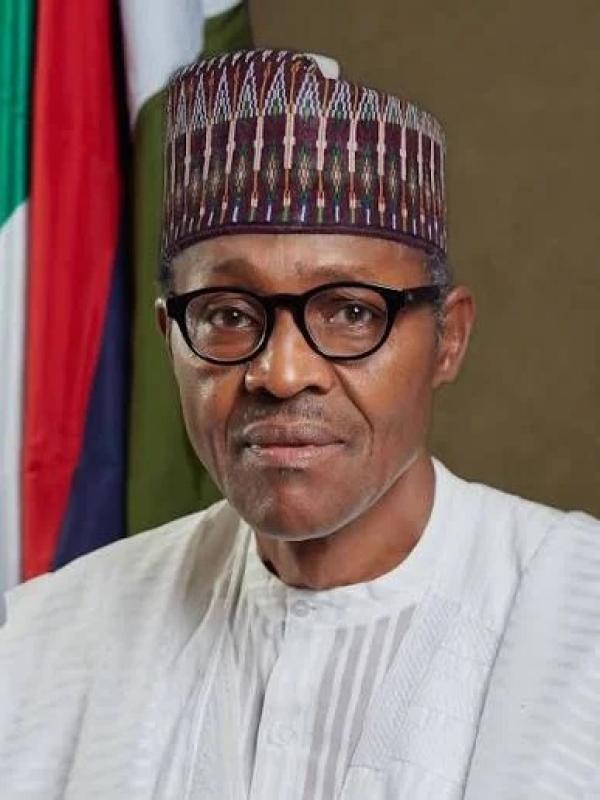
Juxtapose the above with the Nigerian situation. President Muhammadu Buhari had made the fight against corruption one of the three cardinal issues of his trumpeted 2015 election drive. His famous line was ‘if you don’t kill corruption, corruption will kill Nigeria.’ And in his estimation, more than $150 billion had been stolen by Nigerians in recent years. On assumption of office in 2015, he neither declared amnesty nor announced ultimatum. He simply went about lamenting the dexterity at stealing by his compatriots who served in previous governments.
His lamentations were in volumes and they were unfolded at every engagement he had with movers and shakers of world policy. He took the campaign to the Headquarters of the United Nations and capital cities of Western as well as Eastern countries. He mouthed same at most occasions he chose to address his countrymen. At a point, his lamentations started sounding like broken records and it became difficult to maintain people’s attention. Through the social media, loyalists of the administration started bombarding the people with acclaimed recovered loot. There was one ludicrous post of former Petroleum Minister, Diezani Allison-Madueke returning $90 billion as first installment of her loot.
Three years down the line, the Ministry of Finance does not have the clean records of the recoveries as a result of Buhari’s celebrated anti-corruption war. The people on the streets equally do not have evidence of the recoveries and the government has continued to seek huge foreign loans despite the advertised recoveries by the EFCC.