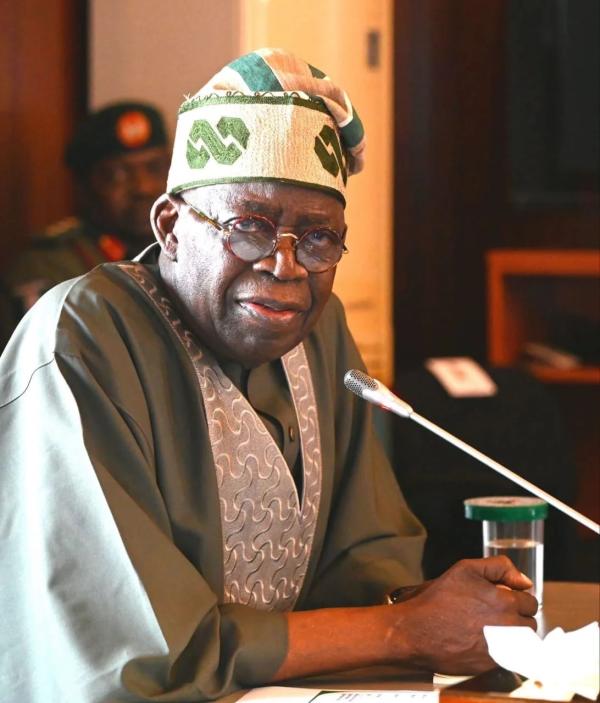





The Managing Director/Chief Executive of Nigerian Export-Import Bank, Abba Bello has called on the Federal Government to boost capitalisation of the nations Development Finance Institutions (DFIs), as a way towards attaining the economic diversification objectives and promoting non-oil export.
This is necessary given that the real sector, particularly agriculture, solid minerals and indeed, the export sector, require concessional long-term funds for investment, which are rarely available in the commercial banking system.
Abba Bello, stated this in a paper delivered recently at the convocation lecture of the Achiever University, Ondo State.
He posited that while economic growth is a component of many variables, one of the key drivers in an open economy is the performance of the export sector.
Discussing on the topic: ìNon-oil exports: Panacea for underachievement of Nigeriaís economic potential, Bello said the low level of growth of non-oil exports sector and its little contribution to yearly export revenues could be attributable to absence of medium/long-term funds since the export sector is perceived as high risk venture by the deposit money banks.
He explained that the absence of suitable trade finance instruments, high cost of operations owing to constraints of power supply and absence of other key production-supporting infrastructure are culpable too.
Bello emphasised that other constraints include logistics related issues and quality standard, noting that they have manifested in low level of credit to the export sector, which accounts for less than 1per cent of total credit by deposit money banks over the years
Given the national income equation, which defines the Gross Domestic Product (GDP) as the aggregation of consumption expenditure, investment expenditure, government expenditure and net exports, that is export minus imports, the growth of an economy will be dependent on the value of its exports over and above that of its imports, he said.
According to him, the key characteristics of Nigeriaís non-oil export sector include; the few export destinations with the dominance of limited number of agriculture-related commodities such as; cocoa, rubber, leather, shrimps/fish, sesame, cashew and cotton yearly accounting for over 60 per cent of non-oil exports.
Others areas, he noted include; insignificant contribution of the other agricultural sub-sectors like shea-nut, Ginger, Cassava, Yam, Sweet Potato, Cowpeas and Pineapple to export revenues in spite of Nigeriaís ranking as one of the highest producers of such commodities in the world, low export performance of key sectors like mining that contributes less than three per cent of total non-oil exports and one per cent of GDP yearly, even though Nigeria has over 34 solid minerals in commercial quantities.
He however, stated that the bank is collaborating with the Central Bank of Nigeria (CBN) to manage two intervention schemes and improve funding support to the non-oil export sector, under a new philosophy of Produce, Add Value and Export (PAVE).