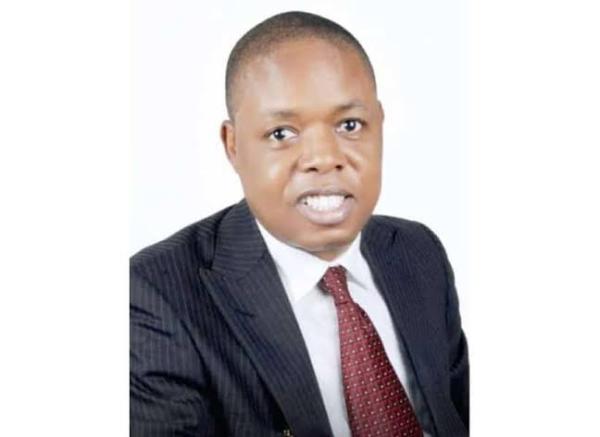





Zainab Ahmed
The Minister of Finance, Zainab Ahmed has revealed that Nigeria may likely fall into recession if it fails to achieve a very strong third quarter 2020 economic performance.
The Minister disclosed this at the opening of a five-day interactive session on the 2021-2023 Medium Term Expenditure Framework (MTEF) and Fiscal Strategy Paper (FSP), held in Abuja on Thursday.
The interactive session was organized by the House of Representatives committee on finance, chaired by James Faleke, the lawmaker representing Ikeja federal constituency with Ahmed being represented by Clement Agba, the minister of state for finance.
Ahmed said the COVID-19 pandemic had put further pressure on Nigeria’s foreign exchange as stated:
“Nigeria is exposed to spikes in risk aversion in the global capital market, which will put further pressure on the foreign exchange market as foreign portfolio investors exit the Nigerian market,”
“Nigeria’s Q2 GDP growth is in all likelihood negative and unless we achieve a very strong Q3 2020 economic performance, the Nigerian economy is likely to lapse into a second recession in four years with significant adverse consequences.
“In response to the developments affecting the supply of foreign exchange to the economy, the Central Bank of Nigeria (CBN) adjusted the official exchange rate to N360, and more recently to N379.”
The minister who mentioned that the disruptions in global trade and logistics would also negatively affect customs duty collections in 2020 added that COVID-19 containment measures have inhibited domestic economic activities, with a consequential negative impact on taxation and other government revenues. In her words, she said:
“Consequently, the projections for customs duty, stamp duty, value-added tax, and company income tax revenues were recently reviewed downwards in the revised 2020 budget,”
“Customs revenue has generally performed close to target over the last few years, exceeding the target in 2019.”
“There has been some improvement in company income tax and VAT remittances; we expect significant improvements in VAT collections with the new VAT rate of 7.5 percent.”
However, the minister said actual revenue performance averaged 61.4 percent over the past five years and noted that some reforms were yielding positive results, with significant improvements between 2018 and 2019. She further expressed her optimistic view as she said:
“I believe we can do more to improve revenues, especially remittances from government-owned enterprises, possibly up to N1 trillion annually, support of the national assembly, by ensuring coordinated oversight, will contribute to achieving targets.”