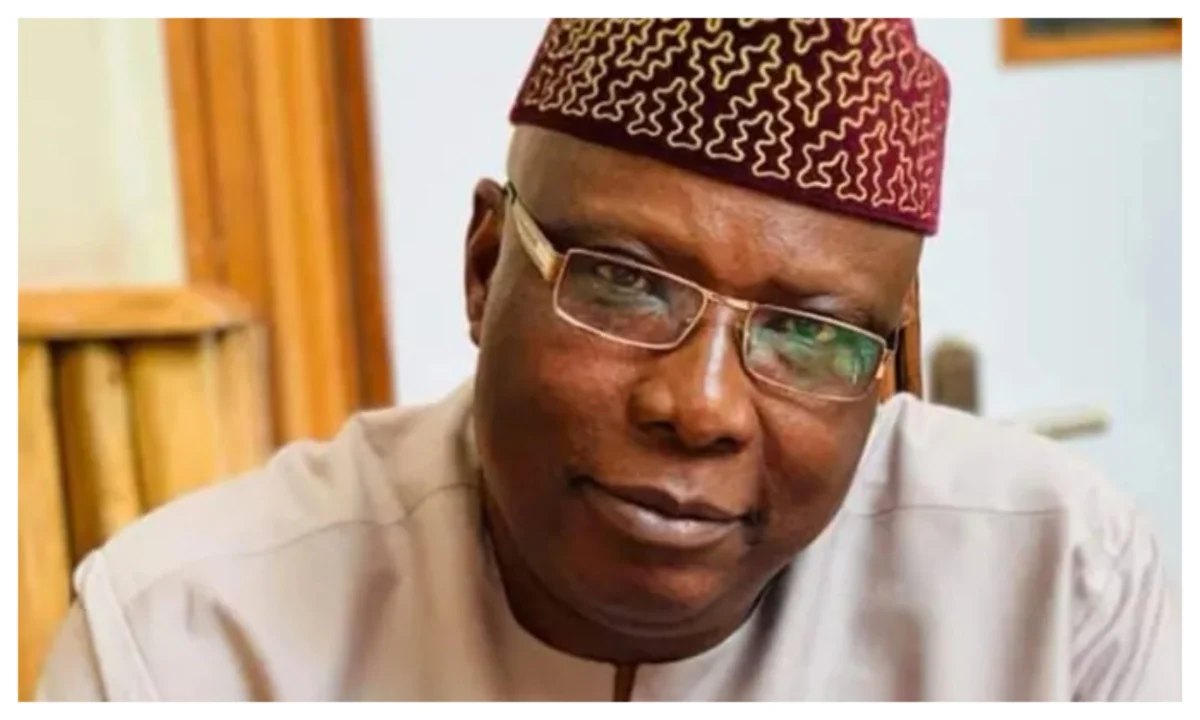





Gbagbo
Ivory Coast election authorities have refused appeals by former President, Laurent Gbagbo and former rebel leader, Guillaume Soro to be allowed to run in the country’s October election.
President Alassane Ouattara’s decision to contest a third term in October has already generated outrage among opposition and civil society groups, who tagged it as a “coup” that risked triggering chaos.
Following appeals from Gbagbo and Soro to the Independent Electoral Commission against a decision to not include them in electoral lists for the ballot, the Competitive Enterprise Institute (CEI) communications manager, Inza Kigbafori said that the decisions have been posted since the 18th that the CEI has not granted their requests.
Ouattara who has been in power since 2010, had said in March that he would not run for re-election as the opposition says he is unable to run because the constitution limits presidents to two terms. But Ouattara changed his position after the sudden death of Prime Minister Amadou Gon Coulibaly from a heart attack in July.
The news increased tensions before October 31 vote, which takes place in the shadow cast by violence following 2010’s election that killed around 3,000 people.
Gbagbo was however freed conditionally by the International Criminal Court after he was cleared in 2019 of crimes against humanity. His return to Ivory Coast would be sensitive before the presidential election as his Ivorian Popular Front party encouraged him to throw his hat in the electoral ring.
Soro, a former rebel leader, has been compulsorily made to go into self-exile in France amidst a long list of legal problems at home. He was a leader in a 2002 revolt that sliced the former French colony into the rebel-held north and the government-controlled south and set off years of unrest. He was once a supporter of Ouattara, who helped him to power during the post-election crisis in 2010 but the two eventually fell out.