



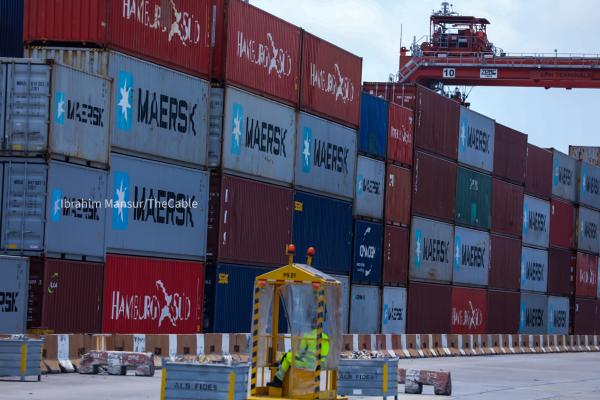
China has commenced a zero-tariff policy on imports from 53 African countries, including Nigeria, in a move aimed at deepening trade relations and expanding access for African goods into the Chinese market.
The policy, which took effect on Friday, applies to countries with diplomatic ties to China and will remain in place until April 30, 2028. It is designed to facilitate the export of high-quality African products while strengthening broader economic cooperation.
In addition to eliminating tariffs, the initiative includes measures to ease market access by streamlining inspection and quarantine processes, simplifying customs clearance, and enhancing technical training and capacity-building efforts across participating countries.
The rollout follows China’s earlier announcement on June 13, 2025, to fully implement the zero-tariff scheme under the Changsha Declaration within the Forum on China-Africa Cooperation (FOCAC). The framework is intended to promote long-term economic collaboration between China and African nations.
According to China’s Ministry of Foreign Affairs, the initiative will also support the African Union’s Agenda 2063, with a focus on industrialisation, modernisation, and sustainable development across the continent.
Trade between Africa and China has historically been dominated by exports of raw materials, including crude oil and metallic ores. The new policy is expected to encourage diversification and value-added exports from African economies.
The first shipment to benefit from the expanded tariff-free access — 24 tonnes of apples from South Africa — successfully cleared customs in Shenzhen on Friday, marking the official start of the programme.
Speaking in March, China’s Foreign Minister, Wang Yi, described the zero-tariff initiative as part of broader efforts to strengthen China-Africa relations and foster mutual economic growth.