



The World Health Organization has declared the ongoing Ebola outbreak in the Democratic Republic of the Congo a Public Health Emergency of International Concern (PHEIC), following the spread of infections linked to the Bundibugyo strain of the Ebola virus in both DR Congo and Uganda.
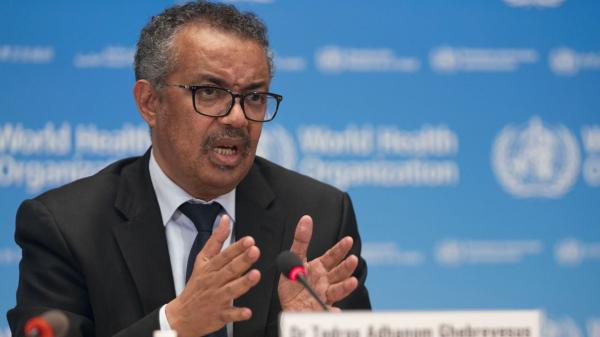
The declaration was announced by WHO Director-General Tedros Adhanom Ghebreyesus after consultations with health authorities in the affected countries. According to the agency, although the outbreak does not yet meet the criteria of a pandemic emergency, it poses a serious international public health threat due to its growing spread and associated risks.
The outbreak, centred in eastern DR Congo’s Ituri Province, has reportedly recorded about 246 suspected cases and 80 deaths. Health officials warned that the actual scale of infections could be significantly higher than current figures indicate, raising concerns about wider local and regional transmission.
Authorities also confirmed a new Ebola case in the eastern Congolese city of Goma, an area currently under the control of the M23 rebel group. Reports indicate that the patient who died in Uganda was a Congolese citizen whose remains had already been returned to DR Congo before confirmation of the infection.
The WHO noted that the deteriorating security situation and humanitarian crisis in eastern DR Congo, coupled with high population movement, urban transmission risks, and the prevalence of informal healthcare facilities, have heightened the danger of further spread across borders. Countries neighbouring DR Congo have therefore been classified as high-risk zones because of active trade and travel links.
To contain the outbreak, the WHO urged both DR Congo and Uganda to establish emergency operation centres to strengthen surveillance, contact tracing, and infection prevention measures. The agency also advised that confirmed Ebola patients should be immediately isolated and treated until two virus-specific tests conducted at least 48 hours apart return negative results.
Neighbouring countries were encouraged to intensify disease surveillance and improve health reporting systems, particularly in border communities. However, the WHO cautioned against imposing travel bans or closing borders, stressing that such measures are often driven by fear rather than scientific evidence.
Speaking on the evolving health crisis, Dr. Tedros warned that there remain “significant uncertainties” surrounding the true number of infected persons and the geographical extent of the outbreak, underscoring the urgent need for coordinated international response efforts.