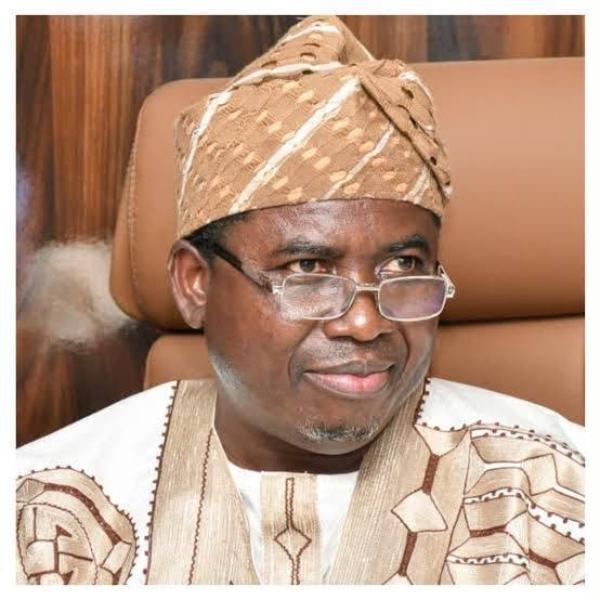





The Chairman of the Independent National Electoral Commission (INEC), Professor Joash Amupitan, has maintained that artificial intelligence (AI) is not an enemy of democracy, despite growing concerns over its potential misuse in Nigeria's electoral system.
Amupitan made the statement on Monday, November 2, 2026, at the Beyond the Ballot Summit in Abuja, where he highlighted the opportunities artificial intelligence presents for election management, alongside the risks associated with its abuse.
“Artificial Intelligence, AI, is not an enemy of democracy,” he declared.
The INEC chairman explained that election management bodies worldwide were increasingly adopting AI-assisted technologies to detect duplicate entries in voter registers, improve logistics, analyse electoral data and enhance administrative efficiency.
He, however, cautioned that the rapid development of generative AI had introduced new threats to democratic processes, particularly as sophisticated digital tools had become increasingly accessible to individuals seeking to manipulate elections and mislead the electorate.
According to him, technologies that previously required considerable technical expertise and financial resources could now be deployed at minimal cost, increasing the possibility of digital manipulation during electoral activities.
Amupitan specifically identified voice cloning of prominent public figures and the production of convincing fabricated recordings of election officials making false announcements as emerging threats that could undermine public confidence in elections.
“These tools target specific vulnerabilities with distinct timelines,” he said.
His comments come amid controversy surrounding INEC's admission that AI-generated photographs had been uploaded into Nigeria's voter register, raising questions about the commission's data verification processes and the reliability of its electoral database.
The development also comes as the commission considers integrating artificial intelligence into Nigeria's electoral system ahead of the 2027 general elections.
Amupitan's remarks highlight INEC's position that rather than rejecting artificial intelligence, the commission must explore its potential benefits while developing effective safeguards against misinformation, digital manipulation and other emerging threats to the country's electoral process.